
Pets and consumer apps
New Puppy Checklist: The First 30 Days, Week by Week
A new puppy checklist for the first 30 days: vet visit, microchip, feeding, toilet training, socialization, vaccines and preventives. Ask your vet.
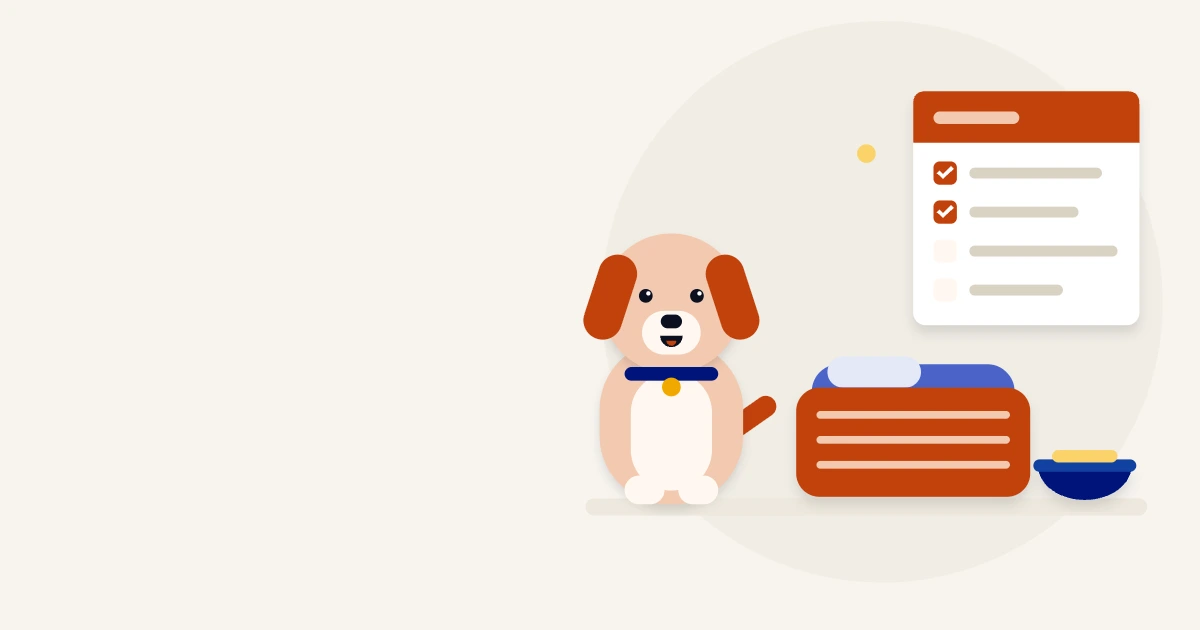
A new puppy checklist for the first 30 days looks like this: find a vet before pickup, book the first visit and sort microchip details in week one, keep food and sleep steady, start toilet training and socialization at once, and put vaccines and monthly preventives on a calendar. Your vet sets the dates and the doses.
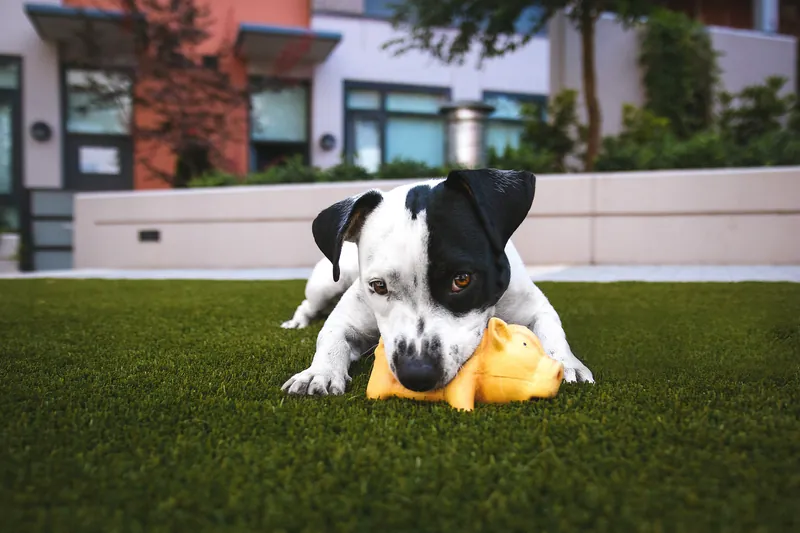
Photo by Justin Veenema, CC0 1.0, via Wikimedia Commons.
Key points
- Find a vet before the puppy arrives, as the RSPCA advises, and book the first visit for the opening days.
- The American Veterinary Society of Animal Behavior (AVSAB) says the first three months are the main window for socialization.
- The WSAVA vaccine series repeats every 3 to 4 weeks until 16 weeks of age. Your vet gives the dates.
- The American Heartworm Society says puppies must start heartworm prevention no later than 8 weeks of age.
- In the UK, dogs must be microchipped and registered by 8 weeks old.
This is general information, not veterinary advice. Ask your vet.
Most reminder lists start empty, and a first time puppy owner often does not know what to put on one. That is why I wrote this checklist. I am not a vet. Everything here comes from published guidance I read on 15 October 2026, and where your vet says something different, follow your vet.
What should be on a new puppy checklist?
Four stages cover it: before pickup, week one, weeks two and three, and week four. Each has a few jobs, and most are about getting a routine started.
| When | Jobs |
|---|---|
| Before pickup | Find a vet, set up a resting spot, get the records from the breeder or shelter |
| Day one | Keep it calm, same food as before, frequent outdoor trips |
| Week one | First vet visit, microchip details, ask about vaccines, worming, fleas and heartworm |
| Weeks two and three | Toilet training routine, gentle socialization, short training, rest |
| Week four | Vaccine dates, monthly preventive date, review the routine |
What should I do before the puppy comes home?
Find a local vet and set up a quiet resting place. The RSPCA advises finding a vet before the puppy arrives, and describes a crate, hiding places or a cosy bed in a quiet, draught free place where the puppy can rest undisturbed.
Ask the breeder or shelter for the puppy's records: which vaccines have been given and when, and which food the puppy has been eating. The RSPCA says to feed the same puppy food as before. Keep the paper trail in one place.
What happens on day one?
Keep it quiet and predictable. Offer the usual food in small amounts, take the puppy outside often and let it sleep.
I have no vet source for hour by hour rules, so I will not invent any. The RSPCA advice for 8 to 12 weeks is to carry the puppy outside to meet new people, sights and sounds, keep the same puppy food and routine, reward toilet training when the puppy goes outside, and set consistent rules. It also says to let the puppy rest regularly, since growing and learning is tiring.
When should a puppy first see the vet?
Many owners book it for the first week, but your vet's office will say when they want to see the puppy and what happens at the visit. Bring the vaccine records you were given.
Use the visit to ask about vaccines, worming, flea control and heartworm prevention. The RSPCA suggests asking about worming and flea treatment when the second vaccinations are due, around 12 weeks. The American Heartworm Society says puppies must start heartworm prevention as early as possible and no later than 8 weeks of age. For the vaccine series itself, WSAVA says to start no earlier than 6 weeks and repeat every 3 to 4 weeks until 16 weeks. My posts on the dog vaccine schedule and on what monthly flea and heartworm prevention means go further.
On microchips, GOV.UK says all dogs in the UK must be microchipped and registered by 8 weeks old, and you can be fined up to 500 pounds if not. In the US, the ASPCA says an ID tag plus an implanted microchip or tattoo can help get a lost dog returned. Check that your contact details are registered, and not only that the chip is fitted.
What should I feed a new puppy, and how often?
The same food as before, in small meals through the day. The ASPCA says puppies 8 to 12 weeks old need four meals a day, 3 to 6 months old three meals, and 6 months to a year two meals. At the first birthday, one meal a day is usually enough.
The RSPCA adds to feed the same puppy food as before at first. Ask your vet how much to give and when to change food, since needs vary by breed and size.
How do I start toilet training?
Take the puppy outside often and reward it for going outside. The RSPCA advises rewarding the puppy each time it goes outside and setting consistent rules.
Here is a routine to copy. The times are an example only:
- First thing in the morning
- After each meal
- After naps and play
- Last thing at night
Write down accidents and the time of day for the first week. A pattern usually shows.
How and when should I socialize a puppy?
Start in the first weeks, safely. AVSAB says the first three months are the primary window for a puppy to adapt to new people, animals and experiences.
AVSAB also says puppy classes can start as early as 7 to 8 weeks, with at least one set of vaccines and a first deworming at least 7 days before the first class. The RSPCA suggests carrying a not yet fully vaccinated puppy outside to see people and sights, and socializing outdoors once the puppy is fully vaccinated. Ask your vet what is safe for your puppy and area.
What else should I have ready?
A poison helpline number on your phone. The ASPCA Animal Poison Control Center lists 888 426 4435 and says a consultation fee may apply. Also check for fleas and ticks: the ASPCA advises daily inspections in warm seasons.
How do I keep vaccines and parasite prevention on schedule?
Put every date in one place with a reminder. A paper card works, and so does a notes app.
I built Pawlarm for this, and it is on the App Store for iPhone. You enter your puppy's name, breed and age, and it builds a starter care plan you can edit. For a puppy, the plan sets four meals a day at 7:00, 11:00, 15:00 and 19:00 while the puppy is under four months, then three meals while it stays in the puppy stage. It adds a short walk and potty break reminder three times a day, a 5 to 10 minute training reminder daily, coat brushing based on the breed's coat type, and two monthly reminders, flea and tick and heartworm. A single Vaccine series check in reminder arrives about two weeks after setup, with a note to ask your vet for exact dates. It does not add a first vet visit reminder for a puppy, so add one yourself. Every reminder can be changed, switched off or added to, and you can add more than one pet. There is no account, and your pet's details stay on your phone. It is a routine aid and not a replacement for your vet. See Pawlarm on the App Store if that helps. A paper checklist does the job too.
Frequently asked questions
When should a new puppy first see the vet?
Many owners book the first week, and the RSPCA advises finding a vet before the puppy comes home. Your vet's office will say when they want to see the puppy. Bring any vaccine records from the breeder or shelter. Your vet decides on vaccines, worming, flea control and heartworm prevention, so ask for dates in writing.
How often should a new puppy eat?
The ASPCA says puppies 8 to 12 weeks old need four meals a day, 3 to 6 months old three meals, and 6 months to a year two meals. The RSPCA advises feeding the same puppy food as before at first. Ask your vet for amounts, since needs vary by breed and size.
When can a puppy meet other dogs?
AVSAB says the first three months are the key socialization window and that a puppy should have at least one set of vaccines at least 7 days before a puppy class. The RSPCA suggests socializing outdoors once fully vaccinated. Your vet can tell you what is safe in your area.
When does a puppy need a microchip?
In the UK, GOV.UK says dogs must be microchipped and registered by 8 weeks old, and the owner can be fined up to 500 pounds if not. In the US, the ASPCA says an ID tag and an implanted microchip can help a lost dog be returned. Ask your vet when to fit one.
How I wrote this
On 15 October 2026 I read the RSPCA puppy care page, the ASPCA dog care and poison control pages, the AVSAB socialization statement, the WSAVA dog vaccination table, the American Heartworm Society canine guidelines and the GOV.UK microchipping page. I checked in Pawlarm's source code what its starter plan gives a puppy.
This is general information, not medical or veterinary advice. Ask your doctor or vet.
By John Osakwe, founder of Etest Tech Hub. I have built apps and websites since 2015, including Etest CBT, FizzFree and Pawlarm.
See the apps I published
Etest CBT, FizzFree and Pawlarm are my own apps. Each has a page with what I built and how.

John Osakwe
John Osakwe has built 100+ apps and websites since 2015, including Etest CBT, FizzFree and Pawlarm. More about John.